


Tuberculosis: What nurses need to know
What is tuberculosis?
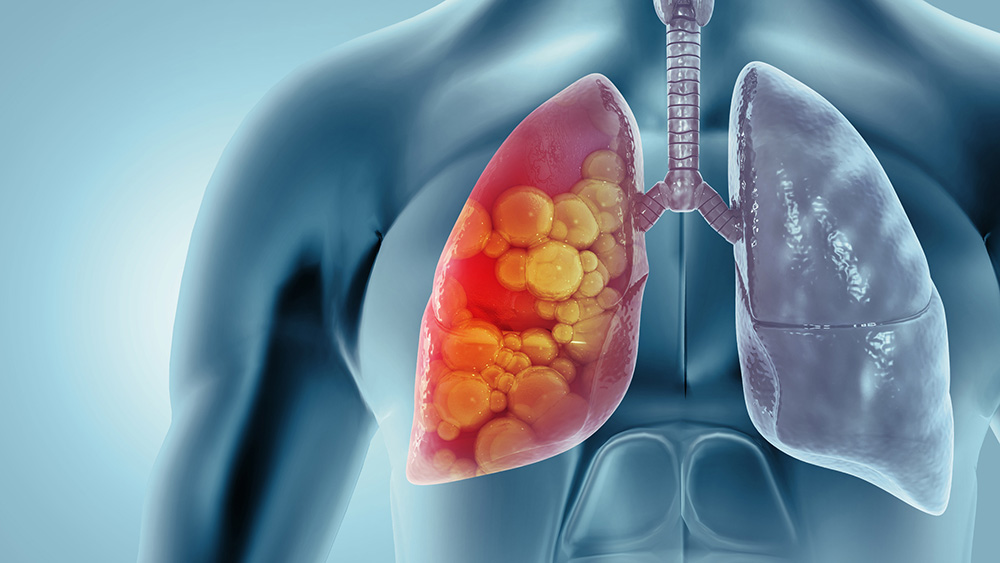
Tuberculosis (TB) is a disease caused by a bacterium called Mycobacterium tuberculosis. TB primarily affects the lungs but can also affect other parts of the body like the brain, kidneys, spine, and lymph glands. TB remains the world’s leading cause of death from an infectious agent and the leading cause of death for people living with HIV/AIDS. In 2024, TB resulted in 1.23 million deaths, including 150,000 deaths among people living with HIV/AIDS, and 10.7 million total infections.
The CDC estimates that up to 13 million people in the United States live with inactive TB, meaning they are infected with the bacteria but do not feel sick. Without treatment, 1 in 10 people with inactive TB will get sick with active TB disease. One of the largest TB outbreaks in U.S. history occurred in Kansas from 2024 to 2025, resulting in 68 active and 91 inactive infections. The outbreaks in Kansas are part of a troubling national trend. While the incidence of TB has steadily declined since 1953, cases have climbed since 2020. Funding that promotes a healthy public health infrastructure, early screening and treatment of TB, and effective infection prevention and control measures are essential to stop the rise in TB cases.
What are the symptoms and complications of tuberculosis?
There are two types of TB: inactive (or latent) TB and active TB. Inactive TB occurs when people are infected with TB bacteria but do not have symptoms and are typically not considered contagious. Inactive TB can develop into active TB, also called TB disease, without treatment. TB disease occurs when the body’s immune system cannot stop the bacteria from multiplying. People with active TB will have symptoms and can transmit TB to others. Symptoms of active TB include:
- A cough that lasts several weeks
- Coughing up blood or sputum
- Chest pain
- Weakness or fatigue
- Loss of appetite
- Weight loss
- Chills
- Fever
- Night sweats
- Back pain
- Poor growth in children
If TB is left untreated, complications can arise including permanent lung damage, severe bleeding, spread and infection outside the lungs, as well as death.
How is tuberculosis transmitted?
Aerosol (airborne) transmission
TB is an aerosol-transmissible disease (airborne). TB is transmitted when a person inhales infectious aerosols that are released when an infected person breathes, speaks, coughs, sneezes, or sings. TB is not spread through direct or indirect contact with an infected person or their belongings. Inhalation of Mycobacterium tuberculosis, which travels to the deepest regions of the lungs called alveolar macrophages, is required for transmission and subsequent infection.
Incubation period
The incubation period for TB from exposure to symptom onset can range from weeks to years. People can live with inactive TB for years without knowing. It is understood that, of the 10% of individuals that will progress from latent to active TB, half will do so within two to three years following initial infection. Recent research demonstrates that progression to TB disease is relatively infrequent after two years with latent TB.
Infectious period
Additionally, while TB has long been thought to be no longer infectious after two weeks of effective therapy, there is substantial evidence against this claim. One study found that the median infectious period was 37 days, with 10% of patients remaining TB positive at day 60. Though data from human-to-guinea pig transmission studies and clinical studies suggest that effective treatment results in a rapid decline in infectiousness, the duration of effective treatment required to decrease transmission remains uncertain and controversial. Multidrug-resistant TB also significantly prolongs the infectious period.
Additional considerations
While TB has infected humans since ancient times, we are still learning about the disease. For example, while individuals with latent (inactive) TB are generally considered not to be contagious, recent research indicates that there may be potential for transmission from latent cases. Findings from a CDC study indicate that asymptomatic TB may contribute meaningfully to transmission, although the magnitude remains uncertain. Another study found a surprisingly high prevalence of Mycobacterium tuberculosis DNA in American patients, which raises questions about undetected forms of the disease and consequent transmission.
What are the risk factors for tuberculosis?
TB infection is more likely to occur in individuals that:
- Have weakened immune systems due to certain medications or health conditions, such as HIV/AIDS, cancer, and diabetes,
- Were born in or frequently travel to countries where TB is more common, including some countries in Asia, Africa, and Latin America,
- Live or used to live in large group settings like homeless shelters, prisons, or jails,
- Recently spent time with someone who has active TB disease, and/or
- Work in settings where TB transmission is more common, such as hospitals, homeless shelters, correctional facilities, and nursing homes.
Is there a tuberculosis vaccine?
The vaccine for TB, called Bacille Calmette-Guérin (BCG), is rarely administered in the U.S. BCG is commonly used in countries with high prevalence of TB and is administered to infants and small children. In the U.S., the vaccine is only considered for people who meet specific criteria and in consultation with a TB expert. Health care providers can consult their state and local health departments, who are responsible for preventing and controlling TB, with questions about BCG vaccination for their patients.
What protections do nurses and other health care workers need to care for a patient with suspected or confirmed tuberculosis?
Health care employers are responsible for providing a safe work and patient care environment. Multilayered infection prevention measures, as listed below, should be implemented in all health care facilities experiencing TB cases. TB disease can often be missed or misdiagnosed—on average, active TB patients experienced 3.89 health care visits representing missed diagnosis opportunities, which poses an exposure risk to health care workers.
- Patient and visitor screening – Screen patients and visitors before or immediately upon arrival at the facility to ensure prompt identification and diagnosis of TB cases. Delays in identification of patients with active TB infections can lead to a high number of exposures.
- Employee screening – Initial and annual screening of health care workers for TB should be conducted.
- Isolation and source control – Patients with suspected or confirmed TB should be isolated promptly in an airborne infection isolation room (AIIR).
- Ventilation – Enhanced ventilation can help reduce the risk of TB transmission in lobbies, waiting rooms, and other areas of the facility where a TB case could be present before being identified and isolated. Ventilation improvements include increasing air changes per hour and filtration of recirculated air. Portable HEPA filter units can also provide an additional layer of protection to reduce the level of infectious aerosols in indoor spaces. See NNU’s Nurses’ Guide to Improving Indoor Air Quality in Health Care guidance for more information about ventilation in health care settings.
- Personal protective equipment – A respirator at least as protective as a fit-tested, NIOSH-approved N95 respirator must be worn by any health care worker who interacts with a possible or confirmed active TB patient, including prior to entering an AIIR used for TB isolation. Powered air-purifying respirators (PAPRs) and elastomeric respirators provide higher levels and more reliable protection than N95s.
- Training and education – Training and education should be provided to all staff who might encounter a TB patient. Training should include information on current TB outbreaks, how to recognize signs and symptoms, and the employer’s exposure control plan to prevent TB exposure.
- Exposure notification and contact tracing – Employers should coordinate with the local health department to conduct a thorough exposure investigation and contact tracing. Employers should immediately notify staff who were potentially exposed and offer testing for TB, free of charge and in a location and time convenient to the employee.
- Paid precautionary medical removal – Employers should provide paid precautionary medical removal for any nurse or other health care worker who is removed from the workplace due to occupational TB exposure or infection.
In California, health care employers are required to comply with Cal/OSHA’s enforceable Aerosol Transmissible Diseases (ATD) Standard to protect nurses and other health care workers from TB and other aerosol-transmitted infectious diseases. Measures that are explicitly required in California health care facilities include:
- Written ATD exposure control plan – Employers must maintain a written ATD exposure control plan, including procedures for identifying, isolating, and evaluating suspected or confirmed TB cases.
- Patient and visitor screening – Screen patients and visitors to ensure prompt identification and diagnosis of TB cases.
- Employee screening – Initial and annual testing and screening of health care workers for TB is required.
- Isolation and source control – Patients with confirmed or suspected TB must be placed in an AIIR. If no AIIR is available, the employer must follow ATD Standard requirements to transfer the patient to a facility with an AIIR.
- Respiratory protection – The ATD Standard requires use of fit-tested, NIOSH-certified respirators (N95 or higher) when staff are in contact with a suspected or confirmed TB case, including when entering an AIIR used for TB isolation. PAPRs are required for any staff performing or present for an aerosol-generating procedure on a patient with TB.
- Training – Employees must receive initial and annual training on TB risks, control measures, and the facility's exposure control plan.
- Post-exposure treatment and medical services – If a TB conversion occurs, employers must provide medical evaluation by a Physician or Licensed Health Care Professional (PLHCP) at no cost to the employee. Employers are also required to have a latent TB infection surveillance program, in which treatment needs to be offered for latent infections.
For additional information on Cal/OSHA’s ATD Standard, see https://www.dir.ca.gov/title8/5199.html and https://www.dir.ca.gov/dosh/dosh_publications/ATD-Guide.pdf