


Andes virus: What nurses need to know
What is Andes virus?
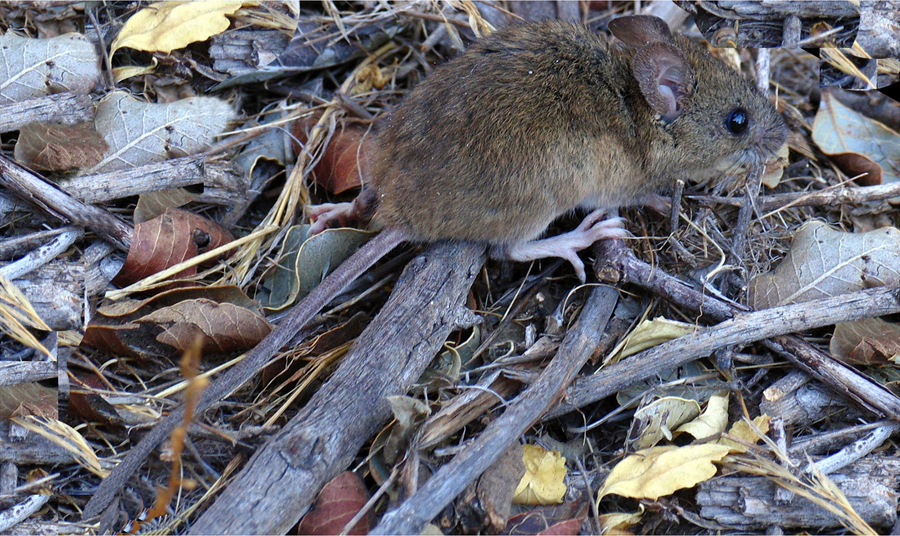
The Andes virus is a strain of hantavirus spread by rodents in South America (Chile and Argentina) and can cause severe disease called hantavirus pulmonary syndrome. The Andes virus is the only hantavirus with documented human-to-human transmission.
A cruise ship outbreak of Andes virus in April 2026 has affected at least 13 countries and demonstrates the importance of global pandemic preparedness and cooperation in the face of deadly infectious disease outbreaks.
What is hantavirus?
Hantaviruses are a group of about 20 viruses carried by rodents that can be deadly to humans. The global burden of hantavirus is estimated to be 10,000 to over 100,000 infections annually, with the U.S. accounting for a very small percentage of total infections. Since surveillance began in 1993, the U.S. has experienced approximately 890 total infections.
Hantaviruses can cause two diseases: hantavirus pulmonary syndrome (HPS) and hemorrhagic fever with renal syndrome (HFRS). HPS, which affects the lungs, occurs from hantavirus strains found in the Western Hemisphere, including in the United States. HFRS is caused by hantaviruses found mostly in Europe and Asia and affects the kidneys.
How is Andes virus transmitted?
Hantavirus is spread from contact with rodent urine, feces, or saliva. Transmission from a rodent can occur through multiple pathways:
- Inhalation of hantaviruses that have become aerosolized is the most likely form of transmission. The virus may become airborne when nesting materials and rodent droppings are disturbed, such as during cleaning.
- Eating food contaminated with rodent urine, feces, or saliva.
- Indirect contact from touching items contaminated with the virus, such as a nest, and then touching your mouth, eyes, or nose.
- Direct contact with rodent secretions from bites or scratches.
The Andes virus is the only hantavirus strain with documented human-to-human transmission, which occurs after close contact with infected individuals. A 2018-2019 outbreak of Andes virus in Argentina found evidence of human-to-human transmissions where inhalation of aerosolized particles was likely the route of infection. Other studies have hypothesized that the Andes virus is secreted into human saliva and transmitted through the respiratory tract via airborne particles released during activities like respiration, coughing, or sneezing. Reports have also shown that Andes virus can also be transmitted to newborns through breast milk.
What are the symptoms and complications of Andes virus?
Symptoms of Andes virus include fatigue, fever, muscle aches, headaches, dizziness, chills, and abdominal problems like nausea, vomiting, diarrhea, and abdominal pain. Symptoms will typically develop within one to eight weeks after exposure.
Andes virus can cause hantavirus pulmonary syndrome (HPS), a life-threatening syndrome. As the disease progresses, late symptoms will start to appear four to 10 days after symptom onset. Later symptoms include:
- Cough
- Shortness of breath and difficulty breathing
- Tightness in chest (as lungs fill with fluid)
- Low blood pressure
- Irregular heart rate
HPS can be deadly with a mortality rate up to 40 percent. Complete recovery can take several weeks to months for those who survive.
What are the risk factors for Andes virus?
Primary risk factors for Andes virus are exposure to rodents in South America, specifically Chile and Argentina, and exposure to an infected case (such as sharing a bed or eating utensils).
Activities that increase a person’s risk of exposure to hantavirus include:
- People who handle and clean up after rodents, such as pest exterminators, animal caretakers, and pet owners.
- Cleaning dusty garages, sheds, attics, barns, or crawl spaces.
- Opening closed buildings like cabins and sheds that may have accumulated contaminated dust over long periods of time.
- Working in forestry or farming or participating in outdoor activities in rural or wooded areas.
What protections do nurses and other health care workers need to care for a patient with suspected or confirmed Andes virus?
Health care employers are responsible for providing a safe work and patient care environment.
For the Andes virus strain, which has documented human-to-human transmission, airborne precautions are required. Multilayered infection prevention measures should be implemented in all health care facilities experiencing suspected or confirmed cases, as listed below.
- Patient screening – Screen patients for hantavirus-like illness, especially among those with exposure or who have recently traveled to an area with a known or high risk for an outbreak. Provide education and training to staff on recognizing and responding to Andes virus and consequent HPS infections.
- Isolation – Patients with suspected or confirmed Andes virus infection should be isolated promptly in an airborne infection isolation room (AIIR).
- Ventilation – Adequate ventilation is also essential for reducing the risk of Andes virus transmission in lobbies, waiting rooms, and other areas of the facility where a suspected or confirmed case could be present before being identified and isolated.
- PPE – Health care workers caring for patients with suspected or confirmed Andes virus infections should wear a respirator at least as effective as an N95 respirator, gown, eye protection, and gloves. A powered air-purifying respirator (PAPR) is a more protective respirator option and is required in California under the Aerosol Transmissible Diseases Standard for aerosol-generating procedures on patients with Andes virus.
- Exposure notification and contact tracing – Employers should conduct contact tracing and immediately notify staff who were potentially exposed. Exposure should include both direct contact while providing care and sharing air space (e.g., being in the same waiting room, triage station, etc.).
- Paid precautionary medical removal – Employers should provide paid precautionary medical removal for any health care worker who is removed from the workplace due to occupational exposure to or infection with Andes virus. In California, paid precautionary medical removal is required for workplace exposures and infections under the Aerosol Transmissible Diseases Standard.
References
- World Health Organization (4 May 2026). Disease Outbreak News. Hantavirus cluster linked to cruise ship travel, Multi-country. https://www.who.int/emergencies/disease-outbreak-news/item/2026-DON599
- World Health Organization. (2026, May 6). Hantavirus. World Health Organization. https://www.who.int/news-room/fact-sheets/detail/hantavirus
- Chen, R. X., Gong, H. Y., Wang, X., Sun, M. H., Ji, Y. F., Tan, S. M., Chen, J. M., Shao, J. W., & Liao, M. (2023). Zoonotic Hantaviridae with Global Public Health Significance. Viruses, 15(8), 1705. https://doi.org/10.3390/v15081705
- de Guzman, C. (2026, May 7). What countries are linked to the hantavirus outbreak?. Time.com. https://time.com/article/2026/05/07/countries-hantavirus-hondius-cruise-ship/
- Martinez, V. P., & Di Paola, N. (2020, December 2). “Super-spreaders” and person-to-person transmission of Andes virus in Argentina. The New England Journal of Medicine. https://www.nejm.org/doi/full/10.1056/NEJMoa2009040
- D'Souza, M. H., & Patel, T. R. (2020). Biodefense Implications of New-World Hantaviruses. Frontiers in bioengineering and biotechnology, 8, 925. https://doi.org/10.3389/fbioe.2020.00925
- Bellomo C, Alonso D, Coelho R, Iglesias A, Periolo N, Martínez VP. A newborn infected by Andes virus suggests novel routes of hantavirus transmission: a case report. Clin Microbiol Infect. 2020 Jan;26(1):130-131. doi: 10.1016/j.cmi.2019.09.012. Epub 2019 Sep 26. PMID: 31563662.
- Chen, R. X., Gong, H. Y., Wang, X., Sun, M. H., Ji, Y. F., Tan, S. M., Chen, J. M., Shao, J. W., & Liao, M. (2023). Zoonotic Hantaviridae with Global Public Health Significance. Viruses, 15(8), 1705. https://doi.org/10.3390/v15081705
- Image by Yamil Hussein E. via Wikimedia Commons. Licensed under Creative Commons.