


Pandemics and Public Health: The Critical Advocacy Role of the Registered Nurse
The COVID-19 pandemic is grabbing headlines around the world. All pandemics are public health challenges. Are your patients protected? Are you protected? Are you prepared? To find out, take this home-study course.
Provider Approved by the California Board of Registered Nursing, Provider #00754 for 2.0 contact hours (cehs)
Obtaining CE Credits
For continuing education credit of 2.0 contact hours (CEHs) please read the course materials and complete the continuing education test. We must receive the completed home study questions no later than April 30th in order to receive your continuing education credit.
Description
This home study examines the critical advocacy role of the registered nurse in preventing and mitigating the impact of communicable diseases and pandemics. Though this course focuses on COVID-19, the role of the registered nurse is constant and consistent for all communicable disease processes and potential pandemics. Since its inception the nursing profession has taken a leadership role in communicable disease prevention and in frontline care of those suffering from such diseases. This is a proud legacy and one, as nurses, we should continue to strive for.
Objectives
Upon completion of this program, participants will be able to:
- Articulate the four levels of protections necessary in a global pandemic.
- Understand the integral role registered nurses play during a global pandemic.
- List four ways nurses can be exposed to infectious diseases.
About COVID-19
While much has been learned about COVID-19 in a few weeks, there is still a lot we don’t know.
About the Virus
What is known: It is a coronavirus, which is a large family of viruses that can infect animals and/or humans. COVID-19 is similar to the viruses that cause SARS (Severe Acute Respiratory Syndrome) and MERS (Middle East Respiratory Syndrome).
Symptoms
What is known: Several published reports have established a basic picture of clinical symptoms and outcomes for those infected with COVID-19. These symptoms can include fever, cough, muscle soreness, weakness, diarrhea, headache, and other symptoms. While some symptoms appear to be common, there is also diversity in how COVID-19 manifests (Table 1).
Table 1: Symptoms of COVID-19 Reported in the Scientific Literature
|
Table 1: Symptoms of COVID-19 Reported in the Scientific Literature |
|
|
|
|
Symptom |
Huang et al. (Feb 15-21, 2020), report on 41 admitted hospital patients with laboratory-confirmed COVID-19 infection in Wuhan, Hubei Province, China[1] |
Wang et al. (Feb 20, 2020), report on 105 patients with COVID-19 infections in North Shanghai, China [2] |
Liang et al. (Feb 28, 2020), report on 457 patients with lab-confirmed COVID-19 identified from 7 studies[3] |
|
Fever |
98% |
82.9% |
89% |
|
Cough |
85% |
62.9% |
63% |
|
Fatigue or weakness |
44% |
17.1% |
51% |
|
Headache |
8% |
Muscle soreness 6.7% |
8% |
|
Diarrhea |
3% |
8.6% |
7% |
Several additional reports underline the potential seriousness of a COVID-19 infection, including damage to lung tissue that has become characteristic to COVID-19. Shi et al. (Feb 24, 2020) describe this damage:
“COVID-19 pneumonia manifests with chest CT imaging abnormalities, even in asymptomatic patients, with rapid evolution from focal unilateral to diffuse bilateral ground-glass opacities that progressed or co-existed with consolidations within 1-3 weeks.”[4]
The Chinese Centers for Disease Control and Prevention (Chinese CDC) reported recently that approximately 20% of COVID-19 cases are classified as severe or critical.[5] COVID-19 infections may result in life-threatening conditions including acute respiratory distress syndrome, acute kidney injury, cardiac injury, and liver dysfunction (Table 2) and may require hospitalization, intensive care, intubation, or other significant life-saving interventions. In some cases COVID-19 may lead to death; the Chinese CDC reported that 2.3% of confirmed COVID-19 cases died.[6] The World Health Organization’s reports indicate that 3.4% of reported cases have died.[7] There is currently no cure, only supportive treatment, and no vaccine.
Table 2: Clinical Outcomes of COVID-19 Reported in the Scientific Literature
|
Table 2: Clinical Outcomes of COVID-19 Reported in the Scientific Literature |
|
|
|
Clinical progression/outcome |
Yang et al. (Feb 24, 2020), report on 52 critically ill patients with COVID-19 who were admitted to an intensive care unit (ICU) in Wuhan, China[8] |
Liang et al. (Feb 28, 2020), report on 457 patients with lab-confirmed COVID-19 identified from 7 studies[9] |
|
Acute respiratory distress syndrome |
67% |
12% |
|
Acute kidney injury |
29% |
2% |
|
Cardiac injury |
23% |
3% |
|
Liver dysfunction |
29% |
- |
|
Death |
61.5% at 28 days |
8% |
[1] Huang et al. (Feb 15-21 2020), “Clinical features of patients infected with 2019 novel coronavirus in Wuhan, China.” The Lancet, 395(10223): 497-506
[2] Wang, Changhui, et al. (Feb 20, 2020), “The Epidemiologic and Clinical Features of Suspected and Confirmed Cases of Imported 2019 Novel Coronavirus Pneumonia in North Shanghai, China.” Preprints with The Lancet, published online at https://papers.ssrn.com/sol3/papers.cfm?abstract_id=3541125.
[3] Liang, Bo et al. (Feb 28, 2020), “Clinical Characteristics of 457 Cases with Coronavirus Disease 2019.” Preprints with The Lancet, published online at https://papers.ssrn.com/sol3/papers.cfm?abstract_id=3543581.
[4] Shi, Heshui et al. (Feb 24, 2020), “Radiological findings from 81 patients with COVID-19 pneumonia in Wuhan, China: a descriptive study.” The Lancet Infectious Diseases, published online, https://www.thelancet.com/journals/laninf/article/PIIS1473-3099(20)30086-4/fulltext.
[5] Wu, Zunyou and Jennifer M. McGoogan (Feb 24, 2020), “Characteristics of and Important Lessons From the Coronavirus Disease 2019 (COVID-19) Outbreak in China: Summary of a Report of 72 314 Cases From the Chinese Center for Disease Control and Prevention.” JAMA, published online at https://jamanetwork.com/journals/jama/fullarticle/2762130.
[6] Wu, Zunyou and Jennifer M. McGoogan (Feb 24, 2020).
[7] The World Health Organization’s Situation Report from March 4, 2020 indicates that 2,984 deaths have been reported in China and 214 deaths have been reported outside of China for a total of 3,198 deaths. 3,198 deaths ÷ 93,090 total cases = 3.4%. World Health Organization (March 4, 2020), “Coronavirus disease 2019 (COVID-19), Situation Report-44.” Online at https://www.who.int/docs/default-source/coronaviruse/situation-reports/20200304-sitrep-44-covid-19.pdf?sfvrsn=783b4c9d_6.
[8] Yang, Xiaobo et al. (Feb 24, 2020), “Clinical course and outcomes of critically ill patients with SARS-CoV-2 pneumonia in Wuhan, China: a single-centered, retrospective, observational study.” The Lancet Respiratory Medicine, published online, https://www.thelancet.com/journals/lanres/article/PIIS2213-2600(20)30079-5/fulltext.
[9] Liang, Bo et al. (Feb 28, 2020).
Transmission
What is known: The virus is spread through human to human transmission. Asymptomatic cases are occurring and can be infectious. Two studies indicate that the most infectious period may actually be the first four days or so after exposure. Researchers found very high levels of the virus in upper respiratory tract samples before clinical symptoms occurred.[1,2]
What is unknown: All modes of transmission for COVID-19 have yet to be established.
However, current epidemiological evidence supports aerosol transmission of COVID-19. Aerosols, particles suspended in air, can be transmitted by an infected person through breathing, talking, coughing, and sneezing.[3] They can also be generated during medical procedures such as intubation and bronchoscopy. Particles vary in size; larger aerosol particles can remain suspended in the air for several minutes, while smaller or lighter ones can linger in the air for hours and travel through the room and ventilation systems. Perfume spray demonstrates the extent of aerosol distribution as it can be smelled from a distance for quite some time as the particles disperse throughout the room.
Similar to SARS (severe acute respiratory syndrome), researchers have found that SARS-CoV-2, the virus that causes COVID-19, can survive and stay infectious in aerosols for at least 3 hours.[4] SARS-CoV-2 can also survive on surfaces for an extended period of time. For example, genetic material from SARS-CoV-2 was detected on a number of surfaces in the Diamond Princess cruise cabins of both symptomatic and asymptomatic infected passengers 17 days after they vacated.[5] Asymptomatic virus shedding and viability in the air and on surfaces may explain the rapid person-to-person transmission. As such, all contact and airborne precautions must be maintained to protect healthcare workers.
[1] Woelfel, Roman et al. Clinical Presentation and Virological Assessment of Hospitalized Cases Of Coronavirus Disease 2019 In A Travel-Associated Transmission Cluster. MedRxiv, Cold Spring Harbor Laboratory Press, 2020. https://doi.org/10.1101/2020.03.05.20030502
[2] Nishiura, Hiroshi, et al. Serial Interval of Novel Coronavirus (COVID-19) Infections. International Journal of Infectious Diseases, Elsevier, 2020. https://doi.org/10.1016/j.ijid.2020.02.060
[3] Jones, R.M. and L.M. Brosseau, Aerosol transmission of infectious disease. Journal of Occupational and Environmental Medicine, 2015. 57(5): p. 501-8.
[4] N van Doremalen, et al. Aerosol and surface stability of HCoV-19 (SARS-CoV-2) compared to SARS-CoV-1. The New England Journal of Medicine, 2020. DOI: 10.1056/NEJMc2004973.
[5] Moriarty, et al. Public Health Responses to COVID-19 Outbreaks on Cruise Ships — Worldwide, February–March 2020. MMWR Morb Mortal Wkly Rep. DOI: http://dx.doi.org/10.15585/mmwr.mm6912e3
STATEMENT OF THE PROBLEM
The World Health Organization (WHO) on March 11 declared COVID-19 a pandemic, pointing to the over 118,000 cases of the coronavirus illness in over 110 countries and territories around the world and the sustained risk of further global spread. “This is not just a public health crisis, it is a crisis that will touch every sector,” said Dr. Tedros Adhanom Ghebreyesus, WHO director-general, at a media briefing. “So every sector and every individual must be involved in the fights.”
During the SARS-CoV-2 pandemic, an “ideal” hospital would
Limit possible introduction of virus into the health care facility:
- Postpone indefinitely all appointments for routine medical care that can be delayed without undue risk to the current or future health of a patient (e.g., annual physical, elective surgery).
- Eliminate/restrict visitor access. Consider allowing for end-of-life and other limited exceptions.
Institute “universal precautions” for COVID-19 — given evidence indicating infectivity of asymptomatic infections and lack of widespread testing, assume that each patient has COVID-19 and implementing precautions accordingly. [1]
This should include precautions for the whole facility:
- Universal source control procedures to reduce potential for transmission within the facility — would include universal masking 2 (all patients and staff wear surgical masks at all times, except when higher level of PPE needed), thorough education and enforcement regarding hand hygiene and cough etiquette for patients and staff.
- Consistent and regular environmental cleaning and disinfection, including disinfecting of floors, walls, furniture, surfaces, objects, etc. at least three times per day. Should be conducted with cleaning chemicals that contain a disinfectant known to be effective against SARS-CoV-2.
- Add air cleaning equipment to ventilation systems, such as UV cleaners, HEPA filter units, others.
- Outdoor triage 3 should be implemented to prevent transmission within crowded waiting rooms. Facilities should create designated “zones.”
- Limit to one entrance to the hospital and set up outdoor triage area where patients are promptly triaged and sent to the appropriate “zone.”
Establish three zones within the facility, using the “three zones, two passages” model that has been successfully implemented in China,
Taiwan, and other locations to prevent transmission of virus within health care facilities.
- Three zones: infectious zone, potentially infectious zone, and a clean zone — clearly demarcated. Two buffer zones between the contaminated zone and the potentially contaminated zone.
- Passageway is established for the one-way transport of contaminated items, only in direct from clean » potentially contaminated » contaminated zones. Items may not be removed from the contaminated zone unless disinfected.
- Strict procedures for donning and doffing PPE between zones, including hands on training, full-length mirrors, and observation by trained personnel. Use dedicated walkways to prevent transmission of virus between zones.
- Transport of patients and health care workers through the facility is tightly controlled to prevent transmission/contamination.
All patients should be considered “suspected COVID-19 cases” until confidently ruled out or confirmed
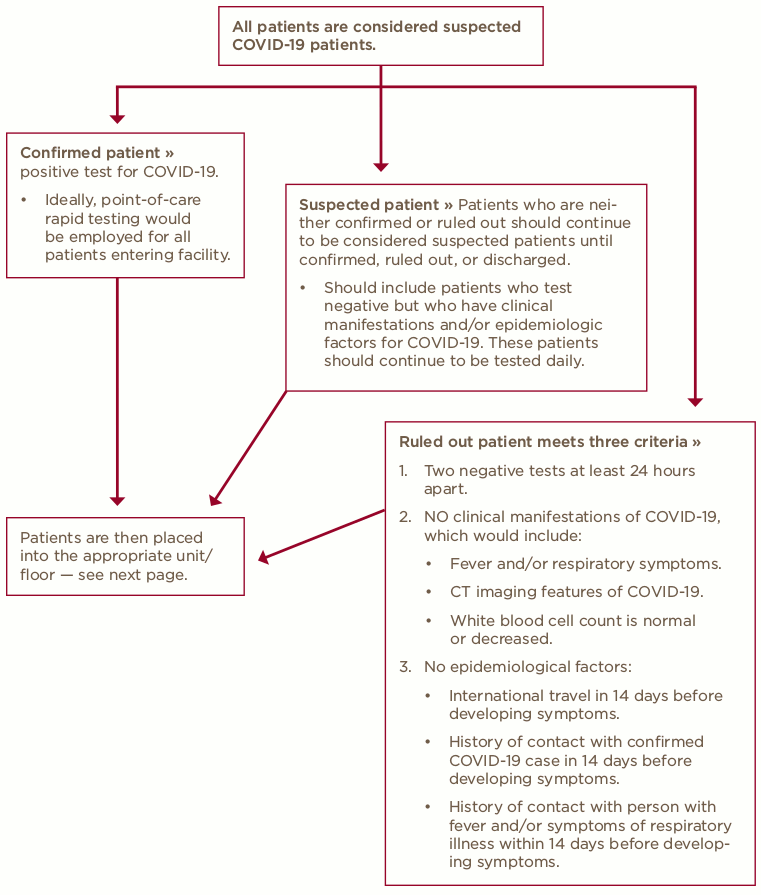
Patients are then placed into the appropriate units/floor
|
Table 3 |
Confirmed patients » |
Suspected patients » |
Ruled out patients » |
|
Room type |
Multiple patient rooms okay. |
Single rooms only |
Single rooms preferred. |
|
Negative |
Yes, entire unit/floor should |
Rooms should be under |
Use precautions typical for |
|
Staffing |
Dedicated teams who work only in this zone of the hospital. Shifts should be limited (China used max four hours). Teams of health care workers should be rotated. |
1:1 assignments plus additional staff for donning and doffing PPE safely and for breaks and relief. Dedicated teams who work only in this zone of the hospital. |
Use precautions typical for care required by patient. Dedicated teams who |
| Health care worker protections |
All health care workers and all workers (e.g., environmental services staff) entering this ward Tightly monitor entry/exit of staff from isolation unit to ensure PPE |
Universal source control, including all patients and staff wear surgical masks unless higher level of PPE required. Change PPE between patients. |
Universal source control, including all patients and staff wear surgical masks unless higher level of PPE required.
|
| PPE |
PPE of the highest level —coveralls, PAPRs, shoe covers, head covers, gloves. Temporary scrubs. |
PPE of the highest level —coveralls, PAPRs, shoe covers, head covers, gloves. N95 and fluid-resistant or impermeable gown as minimum. Temporary scrubs. |
Use precautions typical for care required by patient. |
|
Other |
Strictly limit who enters the unit/floor. Should include units for both ICU and med/surg level of care. |
Should include units for both ICU and med/surg level of care. |
|
Occupational exposure prevention, surveillance, and response to prevent transmission to and by health care workers.
- Opt-out process for RNs at higher risk of complications from COVID-19 such as older adults and people who have serious chronic medical conditions.
- Accommodations for frontline staff working in hospital, including provision of nutritious meals.
- Ongoing monitoring of health of frontline staff. If develop fever or other symptoms of COVID-19, they should be isolated immediately and tested at employer’s expense. Any RN who has worked in the facility within 14 days of developing symptoms should have presumptive eligibility for workers compensation.
- Employer should provide temporary scrubs and facilities for staff to shower and change before going off duty.
- No mandatory overtime. Breaks and relief should be provided. Maximum number of hours working in PPE should be enforced (hospitals in China used four hours max).
Employers should develop procedures to ensure safe handling of deceased patients with COVID-19
Additional measures
Contact tracing — immediate and strict quarantine of contacts of all newly identified cases
- Could consider adopting some of the strategies from Ebola, where all contacts of a case were tracked and all contacts of the contacts were also tracked.
Consider universal masking of population in addition to national stay-at-home order.
[1] The evidence that asymptomatic infections are occurring and are infectious is accumulating rapidly. Asymptomatic and pre-symptomatic infections clearly appear to be important to how rapidly this virus is transmitted.
[2] Several countries have included this element in their effective responses, including China, Taiwan, Hong Kong, among others.
[3] The terminology used in China was “fever clinics”.
PERSONAL PROTECTIVE EQUIPMENT
Personal Protective Equipment (PPE) for Suspected or Confirmed COVID-19 Patients
The federal Occupational Safety and Health Act of 1970 requires employers to provide “employment and a place of employment which are free from recognized hazards that are causing or are likely to cause death or serious physical harm.” Known as the general duty clause, this includes COVID-19 exposure in hospitals and other health care facilities.PPE for COVID-19 must include, at minimum,N95 respirators or higher, isolation gowns, eye protection, and gloves. Surgical and non-respirator face masks do not protect persons from airborne infectious diseases and cannot be relied upon for novel pathogens such as COVID-19. A Powered Air-Purifying Respirator (PAPR) with high efficiency particulate air filters must be worn during aerosol generating procedures on suspected or confirmed COVID-19 cases.
Protections hospitals/health care employers must implement for COVID-19:
- Open and continuous communication about any potential exposure to suspected or confirmed COVID-19 case(s).
- Screening protocols to identify patients who may have COVID-19 infections.
- Plans to ensure prompt isolation of patients with suspected or confirmed COVID-19 infections in airborne infection isolation rooms.
- Protective PPE for nurses and other health care workers providing care to patients with suspected or confirmed COVID-19 infections including airborne and contact precautions. PPE for COVID-19 must include, at minimum, N95 respirators or higher, isolation gowns, eye protection, and gloves. OSHA recommends that if N95 respirators are not available, employers should use higher levels of respiratory protection such as N/P/R100s, elastomeric respirators, powered-air purifying respirators, and others.*
- A Powered Air-Purifying Respirator (PAPR) with high efficiency particulate air filters must be worn during aerosol generating procedures on suspected or confirmed COVID-19 cases. • All donning and doffing should be performed in a separate room, with a buddy system to ensure efficacy and hands on training.
- 14 days paid precautionary leave for a nurse or other health care worker who is exposed to COVID-19.
- Exposure incident procedures. Employers must identify, evaluate, and investigate potential worker expo-sures. Medical follow-up services must be provided, free of charge, to all exposed employees.
* See page 15 of OSHA’s “Guidance on Preparing Workplaces for COVID-19,” https://www.osha.gov/Publications/OSHA3990.pdf
Asymptomatic and Presymptomatic Transmission
- Signs and symptoms of COVID-19 may appear 2 to 14 days after exposure hence it is important to assess all patients for signs and symptoms of COVID-19, fever, cough, shortness of breath. Other symptoms can include fatigue, runny nose, and sore throat. Note: absence of fever does NOT exclude COVID-19.
- Current estimates of the incubation period for COVID-19 range from 1-14 days, therefore health care practitioners should exercise an abundance of caution when treating all patients during the COVID-19 pandemic; it important to note that a patient admitted for an accident or other illness may develop COVID-19 symptoms after hospitalization.
- Patients and visitors with the above symptoms should immediately be isolated as if they had COVID-19 until COVID-19 can be ruled out.
REGISTERED NURSE ROLE IN COMMUNICABLE DISEASES
The centrality of the RN role in preparing for and responding to any communicable disease outbreak is critical in all practice settings.
The key functions are:
- to achieve optimal public health through provision of preventative care in order to prevent, mitigate, or contain a potential pandemic; and
- to provide safe, therapeutic, and effective restorative care so patients can achieve optimum health.
RNs are at the front line of communicable disease prevention and control through outreach screening, case finding, resource coordination, and the delivery and evaluation of care of individuals, families, and communities. RN skills and expertise are critical in restoring and protecting the health, welfare, and safety of individuals, families, and communities in any disaster. Engaging in social advocacy and social mobilization is incumbent on all RNs, especially since the profession is held in high esteem with respect to the public trust.
Levels of prevention:
- Primary prevention relies on epidemiological information to identify those behaviors which are protective, or will not contribute to an increase of disease, and those that are associated with an increased risk.
- Health promotion includes actions taken to foster a safe environment or healthful lifestyle. Specific protections include immunizations to protect against and reduce the incidence of a disease.
- Secondary prevention (after pathogenesis) includes screening and physical exams aimed at disease detection and early diagnosis, and interventions that provide early treatment or cure.
- Tertiary prevention includes limiting complications and disability, and rehabilitation/restoration to an optimum level of health, function, and well-being.
Preventative Care
The primary focus of preventative care nursing is to engage in health promotion and disease prevention activities for entire population groups. This means the provision of direct care through a process of assessments and evaluation of the needs of individuals in the context of their population group. The goal of preventative care is to improve the health of the community. Public health nurses, school nurses, and outpatient/clinic nurses play a key role in the prevention and early detection of the spread of communicable disease, with a strong focus on mitigation or containment to avoid it reaching pandemic proportions. These RNs are a community’s primary responders.
RN Role in Preventative Care
Case finding: surveillance, intervention, and assessment of health care needs of individuals and populations.
Case management: referral, follow-up, counseling, and consultation. Community-focused intervention, interdisciplinary collaboration, coalition building, community organization, and system-focused interventions. Making recommendations regarding closure of schools and/or public institutions and cancellation of public events to mitigate and contain any outbreak.
The Public, Community, and Outpatient RN Role in Preventative Care
In general, only registered nurses and licensed physicians with current demonstrated and validated competency can perform assessments, prescribe/implement treatment, conduct evaluation, and determine the need for follow-up surveillance vs. “quarantine.”
RNs must apply the following:
- Secure the reporting by non-public health clinics of suspect communicable disease patients to the local Public Health Department.
- Recognize that emergency departments play a key role in the tracking and reporting of suspected COVID-19 cases and must remain a key member of the state or county notification network.
- Ensure that RNs and MDs control their practice environment and provide care in the exclusive interest of the patient, particularly in a pandemic environment.
- Identify individuals who have health problems that put themselves and others in the community at risk, such as those with infectious diseases like COVID-19.
- Collaborate with other providers of care to plan, develop, and support systems and programs in the community to prevent problems and provide access to equitable care.
- Assess health and health care needs of individuals. Identify nursing diagnoses, plan interventions to meet identified needs, and implement the plan effectively and equitably.
- Evaluate the extent to which the interventions impact the health status of individuals, families, and communities. Advocate in the exclusive interest of the individual and the community.
- Provide education about COVID-19 infection and how and where viral transmission occurs.
- Disseminate information on the appropriate PPE as described above.
- Educate workers on hand washing, appropriate use of respirators and other PPE, and masking, and triaging patients who come into the clinic or hospital setting.
Restorative Care - Acute and Long-Term Care
As has been evidenced by the spread of COVID-19, direct care RNs in acute care and long-term care facilities have a pivotal role in the early detection of signs and symptoms of the disease, the implementation of scientific-based intervention, and the evaluation of the patient’s response to the treatment prescribed, including patient advocacy intervention when in the independent professional judgment of the RN the treatment regimen is not in the best interest of the patient. Infection prevention and control play a vital role in our patients’ safety and well-being. This is even more crucial in our hospitals where our patients may already be compromised due to illness, injury, or disease and are at very high risk of life-threatening infections.
RN Role in Restorative Care - Acute and Long-Term Care
- Early detection and intervention.
- Continuous environmental surveillance and monitoring.
- Minimizes and seeks to eliminate patients’ risk of preventable complications.
- Reduces susceptibility and exposure to risk factors.
- Modifies, removes, or treats problems to prevent serious or long-term effects.
- Alleviates the effects of disease and injury by providing competent care that is safe, therapeutic, and effective.
RN Role in Infection Control for Patients
A combination of infection control strategies is recommended to decrease transmission of COVID-19 in health care settings.
These include:
- Placing any patient with confirmed COVID-19 in an airborne infection isolation room (also called a negative pressure isolation room).
- Placing any patient with suspected COVID-19 in a private airborne infection isolation room.
- Ensuring that all personnel who enter the room of a patient with confirmed, suspected, or probable COVID-19 observe contact, droplet, and airborne precautions and don PPE as described above. Personal protective equipment designed for single use must be disposed of after each use.
- Applying current knowledge and demonstrating competency in infection prevention and control procedures.
- Understanding and implementing Primary, Secondary, and Tertiary prevention measures in all practice settings.
- Performing ongoing assessments and science-based interventions to eliminate the risk of nosocomial infection and the spread of multi-drug-resistant organisms.
- Observing and monitoring compliance with infection surveillance standards and protocols.
- Maintaining professional vigilance and self-awareness to promote a safe and therapeutic environment of care.
- Providing appropriate education to co-workers, visitors, patients, friends, and families regarding hygiene and infection prevention and control measures.
- Engaging in case finding of possible undiagnosed patients with COVID-19.
- Advocating for laboratory confirmation of diagnosis because the symptoms may or may not be COVID-19.
- Observing visitors and others for respiratory symptoms. These people will be restricted from visiting patients and encouraged to stay at home until recovered.
RN Role in Clinical Facility-Based Enforcement of Patient Health and Safety Regulations
- Collectively and professionally hold employers accountable for following licensing and certification regulations pertaining to the maintenance of a safe care environment when managing an unusually high census or influx of patients due to an unexpected event, such as the COVID-19 pandemic or a mass casualty incident.
- Enforce safe staffing ratios and standards to ensure that staffing is based on the severity of illness; need for specialized equipment and technology; complexity of clinical judgment needed to design, implement, and evaluate the patient’s plan of care; the dependency/ability for self care of the patient; and the licensure of personnel required to provide the care.
- Notify supervisory personnel when unsafe working conditions exist.
- Carry out the principles of the Nursing Practice Act, Scope of Practice mandates, and applicable institutional licensing and certification regulations of the health facility employer.
- Assess each patient’s needs, plan the nursing care, and determine the care that can be safely and appropriately assigned to other health care team members.
- Challenge decisions and activities which interfere with or override the direct care RN’s professional judgment and, if the health facility is not in compliance with state or federal regulatory standards for patient health and safety, file a report with the appropriate agency or agencies.
Clinical/Practice
- Only registered nurses and licensed physicians with current demonstrated and validated competency can perform assessments, prescribe/implement treatments, conduct evaluations, and determine the need for follow-up surveillance versus quarantine.
- Non-public health clinics must report suspect COVID-19 patients to the local Public Health Department.
- Emergency departments play a key role in the tracking and reporting of suspected COVID-19 cases and must remain a key member of the state or county notification network.
- Ensure that RNs and MDs control their practice environment and provide care in the exclusive interest of the patient, particularly in a pandemic environment.
- Acute care hospitals must immediately implement state and HHS directives on disaster preparedness and response including facility-based policies on disaster preparedness and response.
- Provide health care personnel appropriate personal protective equipment (PPE) including a fit-tested disposable N95 respirator or better.
- Acute care hospitals must immediately staff up; there shall be no violation of safe staffing ratios or any state work rules and no retaliation for sick calls or care of a family member suffering from COVID-19.
- Health care providers, first responders, and medically fragile and vulnerable populations should be given priority access to testing for COVID-19 and treatment, if positive.
- RNs should be granted presumptive eligibility for workers compensation benefits as a result of contracting the COVID-19 virus, and should not be subject to disciplinary action by an employer due to absenteeism or illness resulting from COVID-19.
Cost-Benefit Analysis, Or Why Employers Don’t Prevent All Infectious Disease Exposures
The CDC became interested in studying health care-acquired infections in the early 1970s. The CDC first established the National Nosocomial Infections Surveillance system, which was shortly followed by the CDC’s absorption of the National Institute for Occupational Safety and Health (NIOSH). In 1974, the CDC commissioned the first ever comprehensive national health care-acquired infections surveillance study: the Study of the Efficacy of Nosocomial Infection Control (SENIC). The results were analyzed and widely publicized for the first time in the early 1980s.
The purpose of the SENIC study was to provide a scientific basis for evaluating the variety of infection surveillance, prevention, and control programs that had been implemented by hospitals. The principal researchers determined that at that time just 0.2% of U.S. hospitals had programs that effectively reduced all major types of health care-acquired infections. Researchers also determined that at least one third of all health care-acquired infections included in the study could have been prevented if hospitals were to implement simple administrative measures. These data showed that hospitals neglecting infection prevention were putting a higher number of their patients at risk for preventable infection.
With the release of the SENIC report in 1974, the cost of infection prevention measures was already at the forefront of the discussion. Within the first few paragraphs of this major publication, the authors acknowledge that the costs of many of the initiatives thought to be effective in controlling and reducing health care-acquired infections were primary in their consideration. The authors discussed how many of these infection prevention measures could not be charged to insurers or patients due to their preventative nature. The authors observed, “it seemed inevitable that, as fiscal pressures on hospitals increased, these preventive programs would receive progressively lower priority in the operating budgets of hospitals.”
And even before the SENIC report, the CDC’s first edition guidelines on protecting health care workers and patients from infectious diseases suggested that hospital costs should be prioritized over individual health. The manual’s preface explains why no previous guidance for health care providers had been published. Because “1) [earlier] isolation recommendations are too abbreviated to serve as an adequate guide for hospital personnel, or 2) the recommended practices are much too costly, complicated, or time-consuming to be effectively utilized.”
The CDC guidelines state that there exists conflicting evidence for certain disease transmission patterns. In instances where there is more than one known route of transmission or where additional routes may be rare or only theoretically possible without documented cases, the CDC guidelines claim that “the type of isolation recommended is the one that considers the common route of transmission.”
These values are in direct opposition to the precautionary principle. The precautionary principle is an ethical position that should be universally at the heart of all policy, guidelines, and regulations. This principle states that protections should be designed to ensure health is preserved from all unknown potentially adverse effects of exposure to phenomena too new or complex to have been sufficiently understood by science. Or, when facing a situation where the science is unclear, protect to the highest level, that is, protect for the worst-case scenario.
Shortly after the SENIC report was published, OSHA was directed to change their enforcement program. During the 1980’s, the federal government was prioritizing financial costs over health and safety on a federal level. These actions changed the fundamental nature of OSHA that remains in effect to this day. These policies removed some of OSHA’s ability to actively create and enforce safety and health standards, requiring instead a pro-business voluntarism approach. This pro-business approach assumes employers will self-regulate to mitigate health and safety hazards and occupational injuries and illnesses with the assistance of OSHA’s research and initiatives, but not require any enforcement actions like citations or fines. OSHA was also required to introduce cost-benefit analyses into the decision-making process when establishing new standards.
The 1980’s promotion of cost-benefit analyses to appraise the value of human lives monetarily undermined many workplace, environmental, and other public health protections, including infection prevention in hospitals and other health care settings. Add to that an overall disregard for the precautionary principle by the CDC in the health care workplace environment which negatively influenced the rate of exposures and infections sustained in hospital settings by patients and by nurses.
We see these kinds of cost-benefit analyses undermine protections. For example, the CDC tuberculosis isolation guidelines written in 1994 first recommended that health care settings should be required to use High Efficiency Particulate Air (HEPA) Filter respirators to reduce pathogen exposure. But after an analysis showed that it would cost millions of dollars to prevent one occupational infection and one death, the CDC withdrew the guidelines and replaced the recommendation with a lower level of protection that has many disadvantages.
Who Bears the Burden of Inadequate Infection Prevention? (Patients)
Patients certainly are negatively impacted when hospitals and other health care facilities implement ineffective or incomplete infection prevention programs. The CDC estimates that 1 in 25 hospital patients has at least one health care-acquired infection on any given day. The HAI Prevalence Survey, published in 2014, estimated that 75,000 patients with health care-acquired infections died during their hospitalizations.
Other studies show that 1 in 10 adult hospital patients contract an infection before being discharged. About 70% of health care-acquired infections in the U.S. are resistant to one or more antibiotics. A patient with a health care-acquired infection is 7.1 times more likely to die than a similar patient without an infection. Additionally, patients who stay in a room where a previous occupant had an infection, such as MRSA, C. diff, or VRE, has a 73% higher risk of getting infected when compared to other patients.
Who Bears the Burden of Inadequate Infection Prevention? (Nurses)
Nurses have significant physical proximity and contact with ill and potentially contagious patients in hospitals and other health care settings. In terms of frequency, duration, and proximity with patients, bedside nurses provide our patients more intensive direct patient care than any other employee cohort in the hospital. It is evident that nurses bear a disproportionate amount of occupational exposure to infectious diseases and infection risk. The magnitude of infectious disease exposure opportunity is significantly higher than for other groups of employees, individual patients, or the general working public.
How Can Nurses be Exposed to Infectious Diseases?
Nurses provide the majority of hands-on patient care in hospitals and other health care settings. This physical proximity and contact with patients is vital to nurses’ abilities to assess and care for patients, but can also present exposure scenarios that employers must address. These exposures can include:
- Direct contact with blood and other bodily fluids that may contain pathogens. Direct contact may occur while providing patient care, through splashes or sprays, needlestick or other sharps injuries, and direct contact with nonintact skin.
- Indirect exposure may occur via fomites, or objects that have become contaminated with pathogens. Fomites can include equipment, clothing, beds, curtains, tables, and door handles, among other objects and surfaces.
- Droplet exposure may occur when a patient with an infectious disease that can be transmitted via droplets coughs, sneezes, talks, laughs, and in some cases via breathing. Intubation, spirometry, CPR, suction, and other procedures may increase the droplets released and thereby increase exposure. Many droplets stay in the air for a limited amount of time or travel a limited distance before settling onto the floor and other surfaces. For some diseases, droplets may also introduce indirect exposure via contaminated surfaces.
- Airborne or aerosol exposure can occur for certain diseases that can be transmitted in very small aerosols. These microscopic particles can be generated during certain procedures such as ventilation, bronchoscopy, and CPR as well as during vomiting, flushing of an uncovered toilet, and other situations.
Some Disease of Concern in Hospitals and Other Health Care Settings
Nurses may be exposed to a wide variety of infectious diseases. Employers should protect nurses from exposure to infectious diseases, including in situations where it may not be known or suspected that a patient has an infectious disease. Some diseases that nurses may encounter include:
Hepatitis B: This vaccine-preventable disease causes a million deaths worldwide each year. In 2016, 3,218 cases of acute hepatitis B were reported to the CDC in the U.S. Because many hepatitis B infections are asymptomatic, the CDC estimates that the actual number of 2016 cases in the U.S. was closer to 20,900. Hepatitis B used to be called the “health care workers’ disease” before the vaccine was developed and disseminated in the 1980’s. Hepatitis B is transmitted through contact with blood and other bodily fluids from a person with a hepatitis B infection. Employers in the U.S. are required to provide the hepatitis B vaccine at no charge to employees who may have exposure to blood or other potentially infectious material while at work. Hepatitis C: Viral infection with hepatitis C results in a chronic infection 75-85% of people who are infected. In 2016 in the U.S., 2,967 cases of acute hepatitis C were reported to the CDC. Because many hepatitis C infections may go undiagnosed or unreported, the CDC estimates that the actual number of hepatitis C cases in 2016 was closer to 41,200.
Hepatitis C: Is transmitted through contact with blood and other bodily fluids from a person with a hepatitis C infection. HIV: The World Health Organization (WHO) estimates that over 36 million people are living with HIV worldwide. The CDC reports that there were 39,782 people diagnosed with human immunodeficiency virus (HIV) in the U.S. in 2016.
HIV: Can be transmitted through contact with blood and other bodily fluids from a person with an HIV infection.
Zika: The Zika virus became a nationally notifiable condition in 2016. Infection with Zika virus may be asymptomatic or cause mild to moderate, self-limited symptoms in adults. The virus is most often transmitted by mosquitoes, but transmission through blood and other bodily fluids, such as sexual transmission, has also been documented. Zika virus infection in pregnant women can result in lifelong injuries to the fetus, including developmental delay, microcephaly, seizures, and other impacts. Most cases of Zika virus in the U.S. are acquired during travel—5,723 symptomatic Zika cases were reported between 2015 and 2018. Over 300 of these cases were acquired through local mosquito-borne transmission, primarily in Florida and Texas, sexual transmission, and other routes.
MRSA: Methicillin-resistant Staphylococcus aureus (MRSA) is a bacteria that can cause a variety of problems and that is resistant to many antibiotics. MRSA is a common and concerning health care-acquired infection among patients. MRSA can be transmitted via direct contact as well as through contaminated objects or fomites. The CDC estimates that two in every 100 people carry MRSA on or in their bodies, usually without any illness.
C. diff: Infection with Clostridium difficile is a common health care-acquired infection and can result in diarrhea, fever, nausea, and can cause death in some patients. C. diff often recurs in patients after treatment with antibiotics and can continue to cause severe illness. The bacteria is transmitted via contact with contaminated surfaces, where it can live for long periods of time. The CDC estimates that almost a half a million C. diff infections were reported in the U.S. in 2011 and that 29,000 of these patients died with 30 days of diagnosis.
S. aureus: About 30% of people carry Staphylococcus aureus in their nose without any harm. Sometimes, however, S. aureus can infect other parts of the body and cause sepsis, pneumonia, endocarditis, and other conditions. When S. aureus has developed antibiotic resistance, it can be challenging to treat.
VRE: Vancomycin-resistant Enterococci (VRE) can sometimes cause hard-to-treat infections. Most VRE infections occur in hospitals andother health care settings. VRE is spread via contact with contaminated surfaces or directly from person-to-person.
Norovirus: This virus is the most common cause of acute gastroenteritis and is often responsible for outbreaks in community and health care settings. The CDC estimates that over 23 million gasterenteritis cases each year may be caused by norovirus, and that norovirus may lead to over 91,000 emergency room visits and 23,000 hospitalizations each year in the U.S. Contaminated food or water are a common source for norovirus outbreaks as well as exposure to aerosols from an infected person vomiting.
Influenza: Illness may be caused by several different influenza virus strains with varying levels of infectivity and severity. Flu season generally occurs in the late fall through winter in the Northern hemisphere. Some flu seasons are more severe than others, depending on which strain is circulating. The CDC collects and reports annual surveillance data. Influenza can be transmitted via breathing in droplets and aerosols emitted by infected persons as well as contact with contaminated surfaces.
Measles: This vaccine-preventable disease has made more appearances recently, such as the outbreaks in Disney theme parks in 2015, the outbreak in Minnesota in 2017, and several others reported on the CDC’s website. Measles is highly contagious and can spread via an infected person’s coughing and sneezing. The virus can survive for several hours in airspace and on surfaces and is so contagious that 90% of people close to an infected person will also become infected if not already immune.
Meningitis: This disease can be caused by bacteria, viruses, and other pathogens. Bacterial meningitis is a severe and serious disease that can result in death in as little as a few hours. The CDC reports that bacterial meningitis caused about 4,100 cases and 500 deaths in the U.S. each year. Bacterial meningitis can be spread by an infected person’s coughing and sneezing in close contact with others as well as other means such as contaminated food.
Pertussis: Also known as whooping cough, pertussis is a very contagious, vaccine-preventable disease that is caused by a bacteria called Bordetella pertussis. Pertussis can be spread from person-to-person through coughing or sneezing from an infected person or by sharing breathing space for a long time. The annual number of pertussis cases has gone down since 1922, as reported by the CDC. However, outbreaks still occur. See Figure 1.
SARS: Severe acute respiratory syndrome (SARS) was first reported in 2003 in Asia and shortly spread across the world before it was contained. SARS is caused by infection with a coronavirus that is easily spread between people in close contact via respiratory droplets and airborne aerosols. While the CDC reports that no cases of SARS have been identified since 2004, newly emerging diseases like SARS can pose a significant hazard to nurses and other health care workers where employers have not implemented sufficient protection and prevention measures.
MERS: Middle East Respiratory Syndrome (MERS) was first reported in Saudi Arabia in 2012. Since then it has caused several outbreaks in health care facilities. MERS is caused by a virus and most infected persons develop a severe acute respiratory illness with a fatality rate around 3 to 4 out of every 10 MERS patients. MERS can be spread through close contact and through the air when an infected person coughs or sneezes and releases droplets and aerosols.
Tuberculosis: Infection by Mycobacterium tuberculosis most often occurs in the lungs and can lead to TB or latent TB infection (LTBI). TB bacteria are spread through the air when a person with active TB disease coughs, speaks, sings, or breaths and releases TB bacteria into the air. The CDC reports that one-fourth of the world’s population is infected with TB. Over 9,000 cases of TB were reported in the U.S. in 2016. Drug-resistant strains of TB are increasing worldwide. Ebola:
Ebola virus disease is caused by infection with the Ebola virus. Clinical presentation of persons acutely ill with Ebola virus disease includes profuse vomiting, diarrhea, and severe mucotaneous bleeding. Each of these bodily fluids contains viral RNA in sufficient quantities to transmit infection during patient care, post-mortem care, and room decontamination. The dose of viral particles required to cause infection is very low. Transmission occurs via contact, respiratory droplets, and aerosols emitted from infected patients or generated during patient care. During the 2014 Ebola outbreak in Sierra Leone, the CDC estimated that the rate of Ebola infection in health care workers was 103 times higher than in the general population.
Legionnaires’ disease: Legionella bacteria is found naturally in freshwater environments, but can grow and spread when building water systems (e.g., industrial cooling towers, fountains, plumbing systems) are not properly maintained. If Legionella is growing and multiplying in the building water system, then water droplets containing the bacteria can spread and people can breathe in the bacteria. Breathing in Legionella bacteria can cause infection in the lungs and may result in Legionnaires’ disease, which can be severe and fatal in some individuals. There is at least one recorded case of person-to-person transmission of Legionella. The CDC reports that Legionnaires’ disease cases have been increasing since 2000.
In addition to this list and many other known pathogens, emerging diseases are likely to become an increasing challenge. Since 1975, over 30 new diseases have appeared, including AIDS, Ebola, Lyme disease, Legionnaires’ disease, and antibiotic-resistant organisms. Most of these new infections are caused by pathogens already present in the environment but infecting a new host or different population. Rarely, new pathogens may evolve to cause a new disease.
New or newly noticed diseases are not the only concern. Old diseases, like malaria and cholera, have made comebacks. Underfunded, declining public health programs and crowded poor urban environments foster the transmission of diseases that spread through social contact between people, like tuberculosis and diphtheria. Vector-borne infections have also reappeared due to climate change and human disruption of ecosystems, e.g. 2016 Zika virus outbreaks. Arboviruses, spread by mosquitoes and ticks, are responsible for more than 130 human diseases and the ranges of the vectors are rapidly expanding.
Climate is impacting many of these infectious diseases of concern. For example, a recent study examined antibiotic resistance data from 41 states across the U.S. When the researchers compared antibiotic resistance data to local temperature data, they found that higher local temperatures were significantly associated with more and stronger antibiotic resistance. Increases of 10 degrees Celsius in average local temperatures were associated with 4.2% increase in antibiotic resistant strains of E. coli, 2.2% increase in resistant strains of K. pneumoniae, and 3.6% increase in resistant strains of S. aureus. This study also found that increases in population density were also associated with an increase in antibiotic resistance in E. coli and K. pneumoniae. Climate and environment impact health.
Tracking nurses’ occupational infections
It is evident that nurses bear a disproportionate amount of occupational exposure to infectious diseases and infection risk. This fact remains despite the shortage of surveillance data regarding occupational infections available in the U.S. The U.S. Bureau of Labor Statistics collects data each year on injuries and illnesses that happen at work and that result in workers requiring some time off to recover. The U.S. Bureau of Labor Statistics data show that hospitals are one of the most hazardous places to work. [Insert table?] Industry Total recordable cases (per 100 full-time workers) All industries including state and local government 3.4 Construction 3.6 Manufacturing 4.0 Trade, transportation, and utilities 3.6 Health care and social assistance 4.5 Hospitals 6.2 Leisure and hospitality 3.6 State government—health care and social assistance 8.1 State government— Hospitals 8.7 Table 1: U.S. Bureau of Labor Statistics, 2016 data http://www.bls.gov/news.release/pdf/osh.pdf
Registered nurses (RNs) experience high rates of occupational injuries and illnesses. In 2016, RNs had a non-fatal injury and illness rate of 110.1 per 10,000 full-time workers. The injury and illness rate for all workers overall in the U.S. was 91.7 per 10,000 full-time workers. Figure 4 details the different types of injuries and illnesses experienced by nurses and reported by employers to the U.S. Bureau of Labor Statistics. Very low numbers of cases are due to infectious diseases, partially because of a lack of recordkeeping by employers, but also because the U.S. Bureau of Labor Statistics only captures occupational injuries and illnesses that result in days away from work or a job transfer to restricted or light duty.
The U.S. Bureau of Labor Statistics data is widely considered an undercount. In particular, tracking and reporting of occupationally acquired infections is lacking. The long latency period of occupational infections can impact reporting to data sources like the U.S. Bureau of Labor Statistics’ annual Survey of Occupational Injuries and Illnesses (SOII). The U.S. Bureau of Labor Statistics reports:
What might impact the quality of SOII data? Employer interview results point to confusion among some respondents about various recordkeeping rules that could result in injury and illness cases going unreported to BLS or the specific details about a case being erroneously recorded and reported. A report by the Government Accountability Office also found numerous disincentives for both employers and employees to report a workplace injury. As an annual survey, the SOII may also fail to capture injuries or illnesses with a long onset or latency period.
In a meta-analysis of studies published from 1983 to 1996 examining the literature related to occupationally-acquired infections in health care, the researcher found greater than 20 different airborne, blood-borne, and contact-transmissible pathogens were represented in the cases reviewed. He determined that the attack rate of most of these outbreaks affected between 15-40% of the total number of workers included in the studies. Nurse cases were represented in almost all of the different types of occupationally-acquired diseases included in the extensive review, and were often the worker group most frequently affected when compared with doctors, dentists, laboratory workers, and technicians.
Tracking and reporting work-related injury and illnesses incidences relating to communicable disease transmission and exposures is a mandatory OSHA standard for hospital employers (29 CFR Section 1904). However, an investigation by the U.S. Government Accountability Office (GAO) indicates that an alarming percentage of employers and employees under-record and underreport incidence. This report, titled “Enhancing OSHA’s Records Audit Process Could Improve the Accuracy of Worker Injury and Illness Data,” makes several recommendations on how occupational injury and illness recordkeeping could be improved. Many of the disincentives to record and report worker injury or illness cited in the report were due to worker fear of employer repercussions and employer reluctance to disclose data that would increase worker compensation costs or damage their ability to attract future business.
Additional studies confirm the U.S. GAO’s findings. For example, one study anonymously surveyed health care workers to compare the reports of work-related sharps injury and splash exposures made to their employer’s occupational health surveillance systems versus their actual experience. This study found that 5 to 60% of these exposures go unreported to their employer. Studies exploring this phenomenon through anonymous surveys found the following reasons common for underreporting: the inconvenience of the reporting process, insufficient time to report, social stigma for reporting, and altered personal risk perception.
But the lack of data is not just due to pressures for employees not to report. One researcher found that even when employees did report injuries to their employer’s occupational health services, only 28 injuries of 62 reported were documented by the employer over a 12-month period.
The implications of this lack of recordkeeping are especially important for the safety of nurses, who experience sharps injury and mucocutaneous exposures to potentially infectious material at astonishingly higher rates than other employees in health care. One prospective, 30-day study asked U.S. hospital nurses to confidentially track the frequency of blood-contaminated sharp medical device injuries sustained on a total of 14,379 shifts worked. Upon analysis of the prospective data, the researchers found that the incidence rate ratio of these exposures to staff nurses was 0.8 injuries per nurse year for each of the study participants. This means that the study participants could on average expect to encounter a blood-contaminated sharps injury more than once every two years during their career.
Obscuring matters further, there is evidence from multiple recent systematic reviews and a major study conducted by the National Institute for Occupational Safety and Health (NIOSH) that almost no studies exist which measure actual infection outcomes when studying these exposure impacts on health care workers. Pressure not to report combined with employer under recording of sharps injuries and other exposure is a widespread issue. This issue is compounded by the lack of research assessing nurse morbidity and mortality caused by sharps injuries and other exposures. These missing pieces undermine employers’ incentives to identify and change environmental factors, policies, procedures, and other elements of protection. This contributes to nurses’ widespread exposure to infectious diseases.
Voluntary reporting for hospitals and other health care facilities
Even when occupational disease exposure and related morbidity and mortality are accurately recorded by employers, there are varying laws that mandate reporting of this data to state agencies. Reporting of such data to state agencies could allow for public accountability and transparency around infectious diseases in health care settings and could support enforcement activities. Because local, state, and federal laws vary, there is a lack of consistency on this point.
The agencies and organizations that are responsible for oversight of occupationally-acquired infections reporting and collection are severely fragmented and often operate in silos. The resulting dataset compiled is thus extremely heterogeneous and incomplete. This leads to an underestimation of the true magnitude of occupational infections in addition to supporting a misunderstanding of the causal pathway between health care worker exposure to infectious diseases.
In 2005, two researchers set out to evaluate the true mortality rate due to HIV, hepatitis B and C, and tuberculosis infection exposure for health care workers. They established this study after confirming that there is no country in the world which has a surveillance system in place that effectively tracks and records the morbidity and mortality incidence of all occupationally-acquired infectious diseases. Evaluating health care worker disease exposure estimates required combining data from seven separate sources or programs under the Department of Labor, OSHA, and the CDC. The researchers used these estimates in combination with clinical averages regarding specific disease incidence and natural history in order to get a “best guess” annual incidence of health care employee death due to occupational infectious disease exposures. They estimated that 17 to 57 health care workers die from occupational infectious diseases per million workers.
Understaffing
When nurses are understaffed, rates of health care-acquired infections for patients and occupational exposures for nurses and other health care workers increase. One review of multiple studies found a significant increase in the risk of bloodstream infections for patients with a higher use of float nurses. In 84.6% of studies reviewed, the results indicated that nurse staffing was significantly associated with the risk of health care-acquired infections. Increased rates of health care-acquired infections for patients present more exposure scenarios for nurses and other health care workers.
In addition to nurse staffing, understaffing of other health care workers can lead to increased health care-associated infections. For example, studies have examined infection rates before and after outsourcing of housekeeping staff in National Health Service (NHS) hospitals in the U.K. Outsourcing of workers typically means fewer workers on duty at a time and less training for workers. In NHS hospitals that outsourced housekeeping staff, the MRSA incidence rate was 2.28 in every 100,000 bed days between 2005 and 2009. This is significantly higher than the NHS hospitals that did not outsource their housekeeping staff and saw a MRSA incidence of 1.46 per 100,000 bed days; a difference of almost 50%.
Burnout rates for nurses are high and related to understaffing. One study found that each additional patient per nurse was associated with a 23% increase in the odds of burnout for nurses. Another study found that nurse burnout was associated with a significantly higher risk for health care-acquired urinary tract and surgical site infections among patients. Hospitals that reduced burnout by 30% had over 6,000 fewer infections.
Solutions and Next Steps
Patients are at their most vulnerable when seeking care in a hospital. Hospitals should be places of healing, where nursing care can be provided safely. But when hospitals neglect infection prevention, more patients suffer from infections acquired during their hospital stays. These infections complicate existing conditions, create new illness and disease, and can cause pre-mature death. It also means that nurses are at higher risk for exposure and infection. Such hospital-acquired infections can be prevented through robust infection prevention programs that incorporate a wide range of protocols, staffing, effective sterilization of surgical instruments and other fomites, and detailed investigations when infections are discovered to identify—and correct—conditions that caused the infection. When hospitals, in their quest for profit, limit resources and staff, they prevent vital infection prevention protocols from being implemented for every patient, jeopardizing the health and lives of their patients.
Despite the alarming evidence about the scope of infectious diseases and impacts on patients and nurses, there has not been much movement from employers or regulatory agencies on comprehensive infection prevention programs. Nurses are at the forefront of health care and are in a position to recognize new and re-emerging infectious diseases. Nurses are also often the first to be exposed to infectious diseases. Often during an ongoing epidemic, not much is known about the disease, how it is transmitted, or what kinds of protections health care workers need. In these situations, it is vital—literally— that hospitals and other health care employers adhere to the precautionary principle—even in the face of scientific uncertainty, protective measures should be taken.
Nurses, as patient advocates, are in a unique position to identify issues, develop solutions, and advocate for changes. For example, one hospital changed gloves to a cheaper version even though there were no issues with the original type. The new, cheaper gloves constantly ripped and broke and irritated some nurses’ hands causing the skin to peel. Nurses organized to start documenting every time an issue was encountered, every time their employer was not providing effective PPE and protections to prevent exposures to potentially infectious bodily fluids. With the threat of nurses organizing around an OSHA complaint, the employer quickly switched back to the original gloves.
Nurses across the U.S. organized and advocated for effective PPE, safe protocols, and hands-on training during the 2014-15 Ebola epidemic. When a traveler returned to Texas from a trip to a country with an active Ebola outbreak, he unknowingly brought Ebola to the U.S. In the course of providing care, two nurses were infected with Ebola because their hospital was unprepared. Based on reports from nurses across the country to National Nurses United around the time events were unfolding in Texas, this could have happened at virtually any hospital in the United States.
Even after the two nurses became infected while providing care to this traveler, the CDC did not change its weak protocols readily. In fact, the first response from the head of the CDC was that these nurses must have failed to follow the infectious disease guidance it had issued. The next day, nurses with their union, National Nurses United, took to the streets with the message “Stop Blaming Nurses” and a demand for hazmat suits, powered air-purifying respirators, training, and optimal protocols.
With Ebola raging in West Africa, it was only a matter of time before an Ebola patient arrived at a U.S. hospital. National Nurses United began its escalating campaign of direct action just one day before Thomas Eric Duncan first showed up at the Texas hospital emergency department—NNU held a die-in of 1,000 nurses in Las Vegas to draw attention to the threat of Ebola. NNU continued to demand that the CDC issue clear, uniform guidance on the training, education, and the PPE needed to protect workers caring for Ebola patients. Although the CDC has no means to enforce its guidance, it generally is taken seriously regarding policy. Unfortunately, corporate health care organizations exert a powerful influence over the CDC and other public health agencies.
In November of 2014, nurses from Global Nurses United member unions raised their voices internationally by joining in Global Ebola Awareness Day actions. Leaders from National Nurses United and other health care worker unions joined with local nurses at a meeting of G20 leaders in Australia to press for a heightened response on Ebola and other global health concerns such as AIDS. In the US, actions included 20,000 striking RNs, a White House vigil, and rallies and pickets across 16 States.
Nurses across the country won protections in their workplaces through continued protest at the national, state, and local levels and through collective bargaining. Immediately following the day of action for Global Ebola Awareness Day, California issued enforceable guidance that met nurses’ demands for full-body protective suits that are impervious to blood and viruses, powered air-purifying respirators, detailed infection protocols, and an effective training program.
Every shift, when nurses are organizing and advocating for better staffing, they are improving infectious disease protections for their patients and themselves. Empirical evidence is mounting and unmistakably validating what nurses have known all along—that occupational health and patient safety in health care settings are inseparable. In addition, much of this research has specifically found the strongest positive measures of associations are seen between nurse staffing and the physical working environment and safety of both patients and nurses. This CE discussed some of the available evidence that shows the statistical connection between better nurse staffing and lower rates of health care-acquired infections in patients. In addition to improving safety, these actions can build power and solidarity in the workplace that can bolster nurses’ advocacy around other issues, such as inadequate PPE, inappropriate procedures, and other issues related to infection prevention.
Nurses can join with other nurses and with National Nurses United to fight for policy changes to improve protections and enforcement. Sometimes these changes are made through legislative and regulatory processes. In these situations, nurses’ testimony and expertise about incidents that have happened in the workplace and how prevention should happen are important. Other times, these changes are made through communication and advocacy with agencies that establish guidelines, such as NNU’s advocacy to get the CDC to improve their Ebola guidelines.
Whatever the arena, nurses know there are certain elements that must be a part of every standard, guidelines, and employer prevention plan in order for nurses and patients to be fully protected. These elements include:
- Staffing — Ensuring that every employer and any standard, guideline, or policy understands that nurse staffing levels are key to patient safety and nurse safety.
- Training and education — Ensuring that training and education are effective, hands-on, and in-person. Nurses are increasingly being given computer modules to complete while on shift. This is not effective training. Nurses should know what their employers’ plans and policies are, how to know whether they are working or not, and how to inform their employer so that the employer will fix the problem. Hands-on training can be vital for many elements, including donning and doffing (putting on and taking off) PPE procedures.
- Transparency and reporting for employers — Standards and guidelines should always ensure that nurses and other health care workers have access to their employers’ written prevention plans, training modules, records of incidents, records of investigations, and other related information. This ensures transparency in the employer’s process and allows nurses full access to the information that they need to practice safely. Additionally, standards and guidelines may call for employers to report directly to state agencies to ensure that there is public knowledge of conditions in health care facilities and accountability for employers.
- Precautionary principle — All employer prevention plans and standards and guidelines should incorporate the precautionary principle. This ensures that nurses and patients are protected even in the face of the unknown, such as an emerging disease epidemic.
- Employee involvement — Employers must engage the expertise of nurses when creating effective prevention plans. All standards and guidelines should include this requirement.
- Medical service and other protections — Employers should provide a medical services program at no cost to employees that provides medical evaluation and surveillance for employees with potential exposure to infectious diseases. The presumption should exist that exposure occurred in the workplace.
- Prohibitions on retaliation or discrimination — Nurses and other health care workers should be able to raise concerns about their employers’ prevention plans without fear of retaliation or discrimination. These protections should always be explicitly included in every standard and guideline.
In addition to this organizing and advocacy that directly addresses infection prevention, nurses can continue to look at the bigger picture in which infectious diseases emerge, are transmitted, and prevented. The public health infrastructure in the United States is fragmented and underfunded. Nurses encounter the impacts of this system on patients every day. Health care workers are most often the first line of contact for infectious travelers. The lack of protections for health care workers was demonstrated clearly in the SARS and the Ebola epidemics as is also evident in the COVID-19 Pandemic.